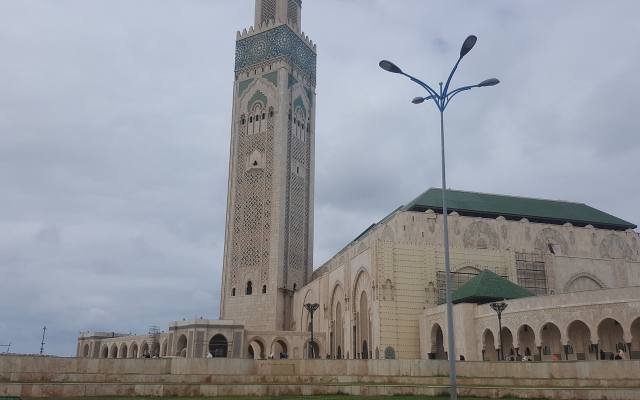
 Mosque
Hassan II Mosque
A landmark above the sea
One of the largest mosques in the world, built partly over the Atlantic and finished in 1993, with a 210-metre minaret and guided tours that are open to non-Muslims.

Things to see
A giant mosque above the Atlantic, an old walled medina, a “new medina” full of pastry shops, streets of Art Deco buildings and a seafront made for sunsets. Here are the places worth your time in and around Morocco’s largest city.
Casablanca meets the Atlantic along a seafront that runs from the great mosque past the lighthouse to the beaches of Ain Diab. Just inland, the walls of the Old Medina hide the oldest part of the city.
MosqueA landmark above the sea
One of the largest mosques in the world, built partly over the Atlantic and finished in 1993, with a 210-metre minaret and guided tours that are open to non-Muslims.
 Old town
Lanes behind the old walls
The small walled old town beside the port, with narrow lanes, everyday souks, the Sqala bastion and the Bab Marrakech gate, far less touristy than the medinas of Fez or Marrakech.
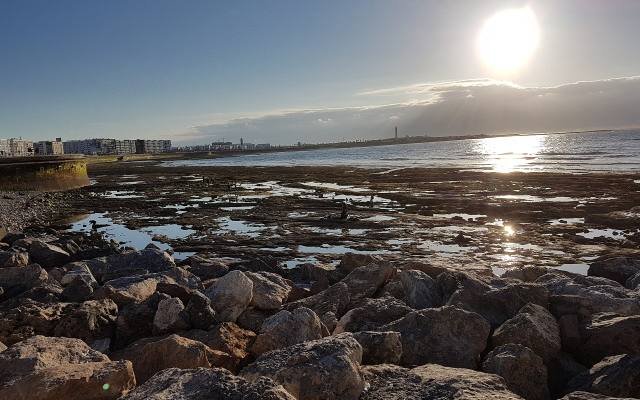 Seafront
Beaches, surf and sunsets
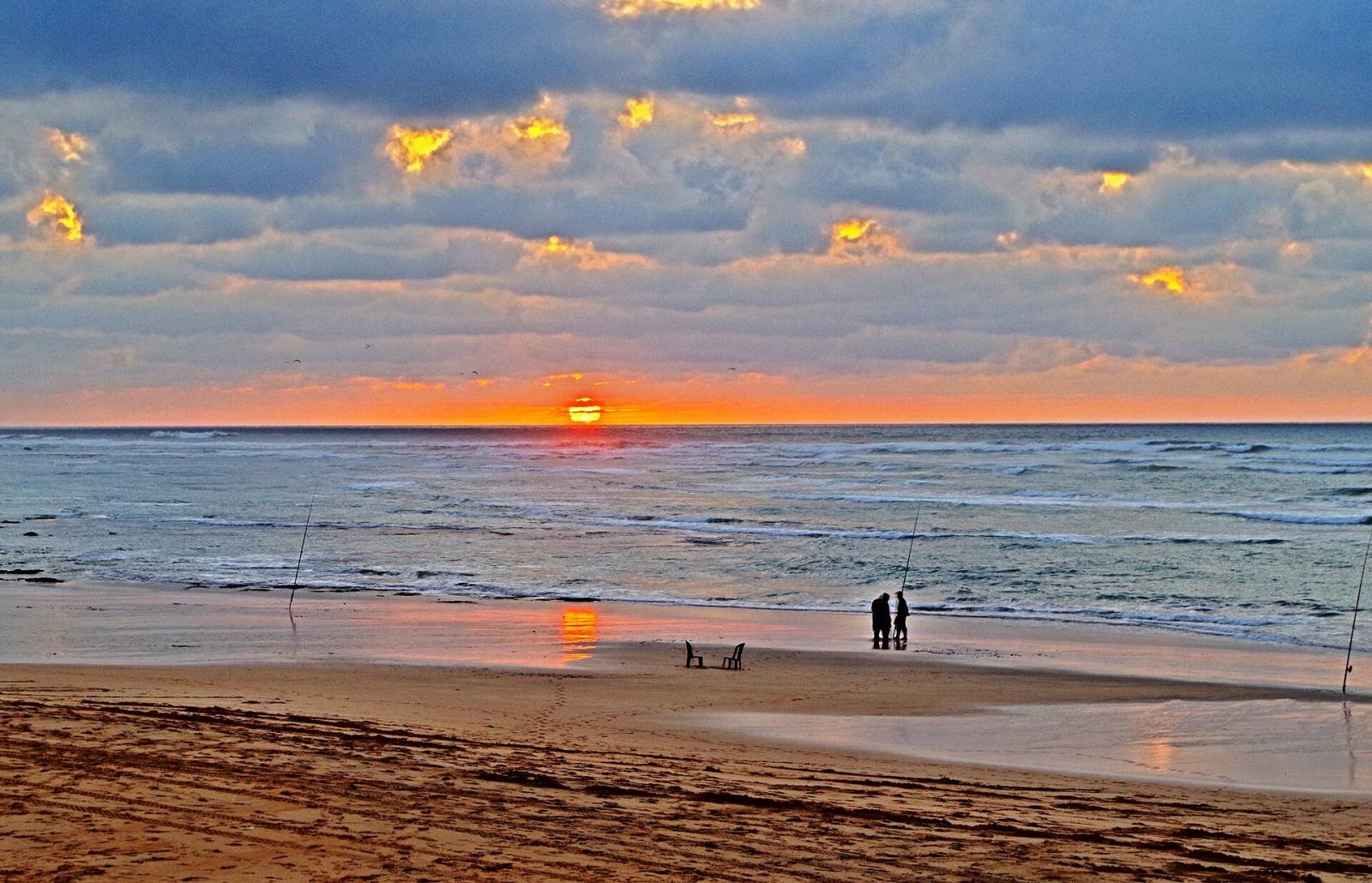
Casablanca’s seaside strip, with a long promenade, beach clubs, surf schools, restaurants and the Morocco Mall, and the best place in the city to watch the sun go down.
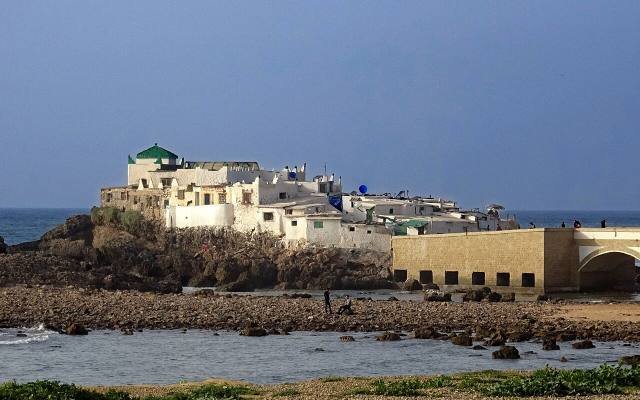 Shrine
A white village on a rock
A tiny whitewashed settlement on a rock off the Corniche, built around the tomb of a Muslim saint. It can be reached on foot at low tide, although the shrine is closed to non-Muslims.
The French protectorate turned Casablanca into a modern port city from 1912. Its legacy is one of the world’s great collections of Art Deco buildings, a grand central square and the Habous, a “new medina” in traditional style.
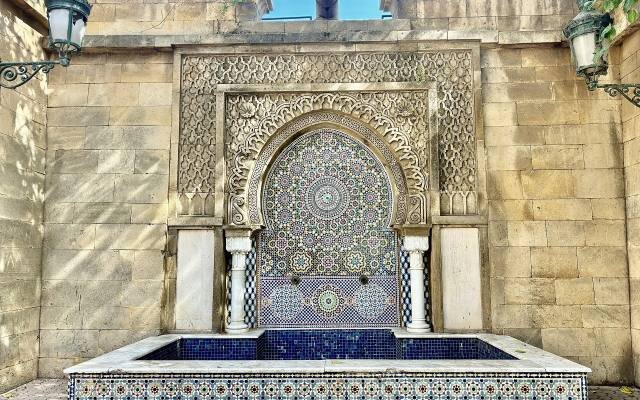 Neighbourhood
Arcades, olives and pastries
A charming “new medina” built in the 1920s and 1930s, with tidy arcades, craft shops, an olive market, famous pastry shops and the carved halls of the Mahkama du Pacha.
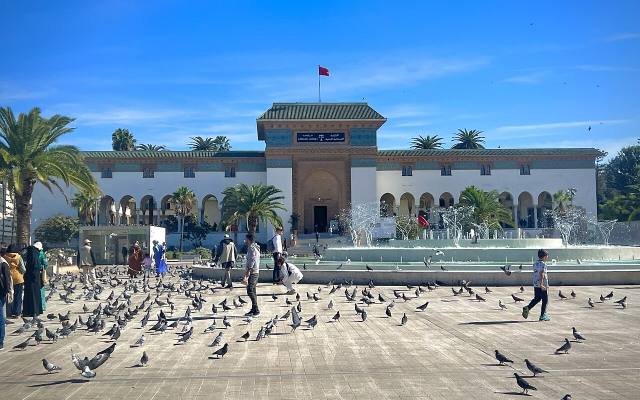 Square
The grand heart of the city
The ceremonial centre of Casablanca, with a big fountain and a set of grand 1920s and 1930s public buildings, including the courthouse and the clock tower of the Wilaya.
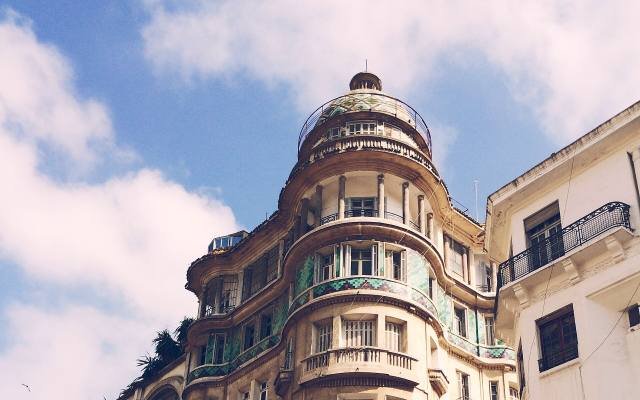 Architecture
A museum of 1930s buildings
Boulevard Mohammed V and the streets around it are lined with Art Deco and neo-Moorish buildings from the 1920s and 1930s, including cinemas, arcades and the Central Market.
 Park
Palm avenues in the centre
The city’s best-known park, with long palm-lined avenues and lawns in the middle of town, close to the old Sacré-Cœur Cathedral and the cafés of the Gauthier quarter.
Trains and good motorways make it easy to explore from Casablanca. The capital, Rabat, lies to the north, past the beach town of Mohammedia, while El Jadida and Azemmour have Portuguese walls to the south.
 Capital
Morocco’s calm capital
Morocco’s capital is about an hour away by train, with the Hassan Tower, the Mausoleum of Mohammed V, the blue and white Kasbah of the Udayas and the ruins of Chellah.
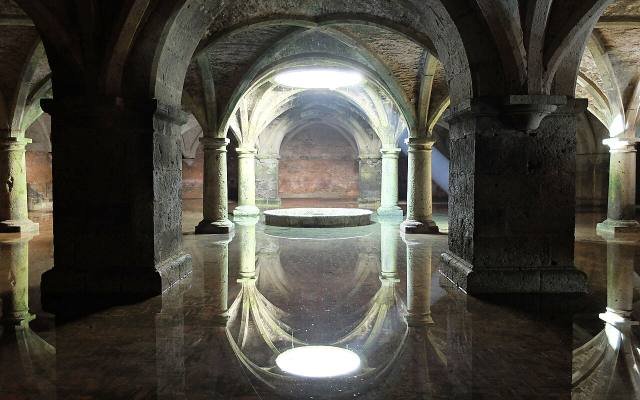 UNESCO
A Portuguese sea fortress
A seaside town south of Casablanca with the walled Portuguese City of Mazagan, a UNESCO World Heritage Site, and its famous flooded cistern.
 Old town
A medina on the river
A quiet walled town on the Oum Er-Rbia river, between Casablanca and El Jadida, with Portuguese ramparts, whitewashed lanes and painted murals.
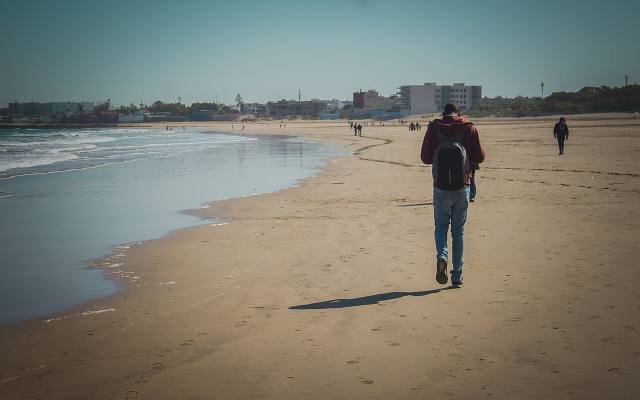 Beach town
Easy beaches near the city
A relaxed resort town just north-east of Casablanca, with long sandy beaches, a small kasbah and a marina, easy to reach by train for a day at the sea.
Casablanca is spread out, so it helps to plan by area. The mosque and the Old Medina lie near the port, the Art Deco streets are in the centre, the Habous is to the south-east and the Corniche is to the west.
The Museum of Moroccan Judaism in the Oasis district is a rare museum of its kind in the Arab world, and the Church of Notre-Dame de Lourdes has beautiful stained glass. The Villa des Arts shows modern Moroccan art.
Take the train to Rabat, or head down the coast to El Jadida and Azemmour. Read our three-day itinerary.
Plan your Casablanca trip
Tour the Hassan II Mosque, walk the Art Deco streets of the city centre, shop in the Habous quarter or take the train to Rabat for the day. Compare tours and book in a couple of taps.