 Guided visit
Season: Year-round; no tours during prayers
Hassan II Mosque guided tour
- See the vast prayer hall, the carved cedar ceilings and the zellige tiles
- Go down to the ablutions rooms and the hammam
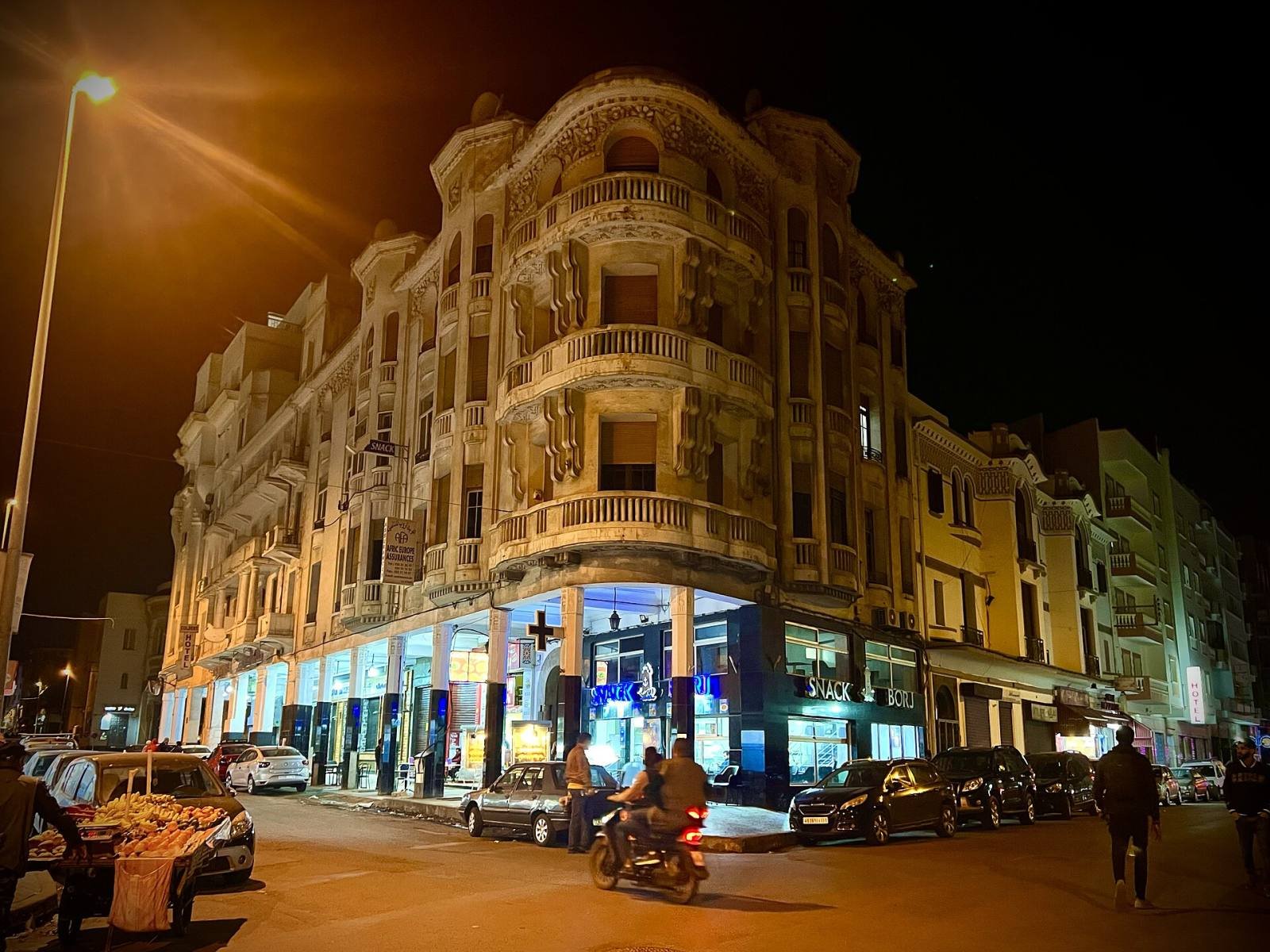
Travel guide
When to go, what to pack, money, health, safety and local customs: what to know before your first visit to Casablanca and the Moroccan Atlantic coast.
| Location | The Atlantic coast of Morocco, about 90 km south-west of Rabat |
|---|---|
| Population | More than 3 million; Morocco’s largest city |
| Region | Casablanca-Settat |
| Time zone | Usually UTC+1; clocks go back an hour during Ramadan |
| Currency | Moroccan dirham (MAD) |
| Languages | Arabic and Amazigh; French is widely used |
| Plugs | Types C and E (European two-pin), 220 volts |
| Emergency numbers | 19 for police, 15 for fire and ambulance |
The Atlantic keeps Casablanca mild all year, without the extremes of Marrakech or the desert. It can feel damp and cool in the evenings, so bring a layer in any season.
| Months | What to expect |
|---|---|
| March to May | Mild and fresh, with some rain early on. A lovely time for walking. |
| June to August | Warm, dry and often hazy in the morning, usually in the mid-20s °C. Busy on the beaches. |
| September and October | Warm and mostly dry, with warmer sea. One of the best times to visit. |
| November to February | Mild by day, cool at night and the rainiest months. Good waves for experienced surfers. |
During the holy month of Ramadan, many cafés and restaurants close during the day, opening hours shorten and the city comes alive after sunset. Avoid eating or drinking in public in daylight out of respect, and check the dates before you travel, as they change each year.
Cash machines are common, and cards work in hotels, malls and larger restaurants. Carry dirhams for taxis, markets and tips. Rounding up or leaving about 10% is usual in restaurants.
Book ahead
Guided visit
Season: Year-round; no tours during prayers City tour
Season: Year-round
 Food tour
Season: Year-round
Good to know
The Moroccan dirham (MAD). Cards are accepted in hotels, malls and larger restaurants, and cash machines are easy to find. Carry cash for taxis, markets and small shops.
Many nationalities can visit without a visa for up to 90 days, but requirements vary, so check with your nearest Moroccan consulate or official government website before you go.
Casablanca is one of Morocco’s most relaxed cities, but modest clothes that cover shoulders and knees are still the safest choice, especially in the medinas and at the mosque.
Moroccan Arabic (Darija) and Amazigh, along with French, which is widely used in business and on signs. Many younger people and tourism staff also speak English.