 Guided visit
Season: Year-round; no tours during prayers
Hassan II Mosque guided tour
- See the vast prayer hall, the carved cedar ceilings and the zellige tiles
- Go down to the ablutions rooms and the hammam
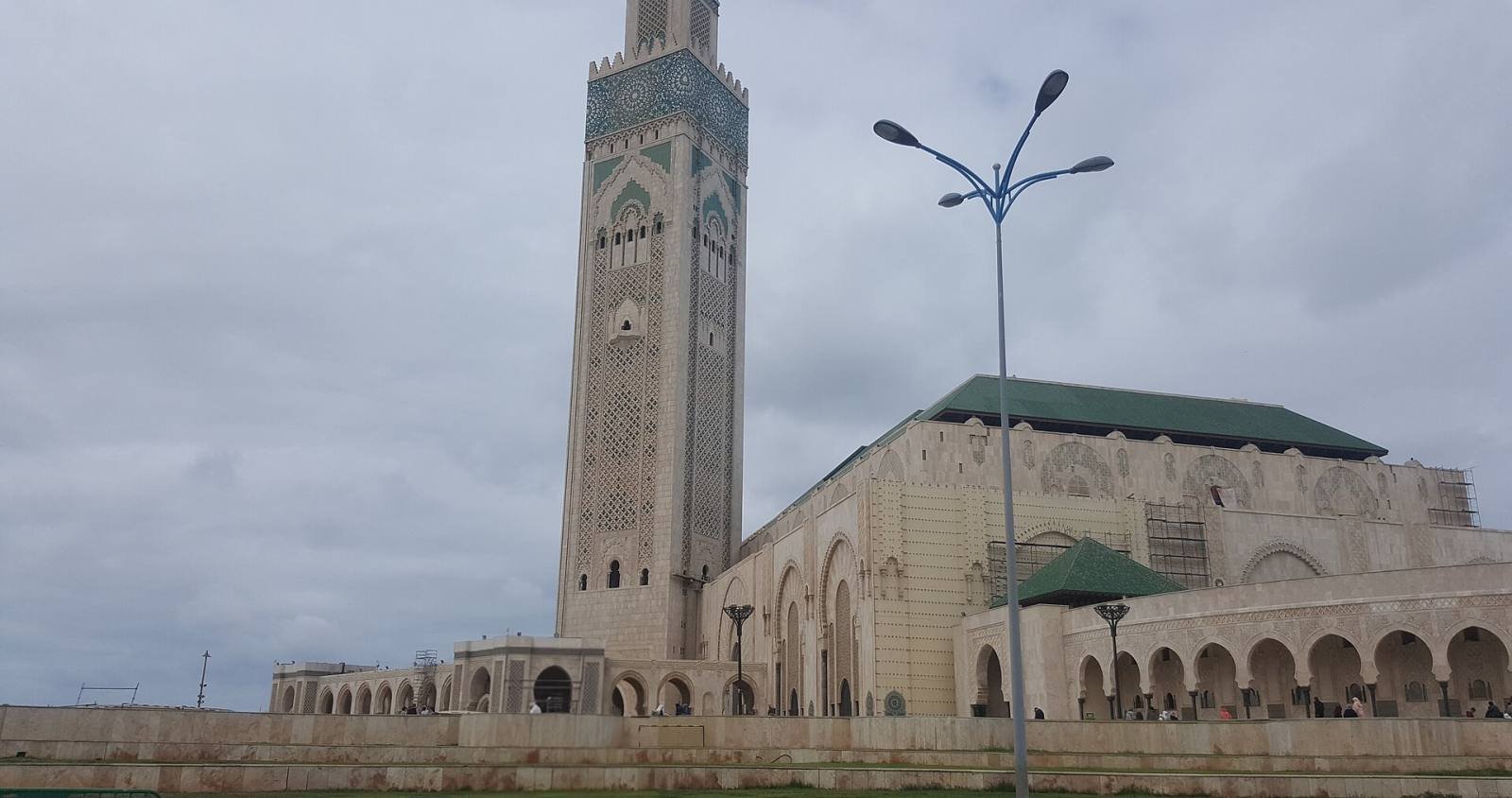
Mosque
The Hassan II Mosque stands on the edge of the Atlantic, its minaret rising 210 metres above the waves. Finished in 1993, it is one of the largest mosques in the world and a showcase of Moroccan craftsmanship, and it is one of the few mosques in Morocco that non-Muslims can enter, on a guided tour.
King Hassan II wanted a great monument for Casablanca, built partly on land reclaimed from the sea. Thousands of Moroccan craftsmen worked on it for years, carving cedar, plaster and marble and laying intricate zellige mosaics. The prayer hall holds about 25,000 worshippers, and tens of thousands more can pray on the esplanade outside. Part of the roof can slide open to the sky.
Everyone should cover their shoulders and knees. Headscarves are not usually required on a tour. You take your shoes off inside and carry them in a bag.
Book ahead
Guided visit
Season: Year-round; no tours during prayers City tour
Season: Year-round
 Walking tour
Season: Year-round
Nearby
 Old town
Lanes behind the old walls
The small walled old town beside the port, with narrow lanes, everyday souks, the Sqala bastion and the Bab Marrakech gate, far less touristy than the medinas of Fez or Marrakech.
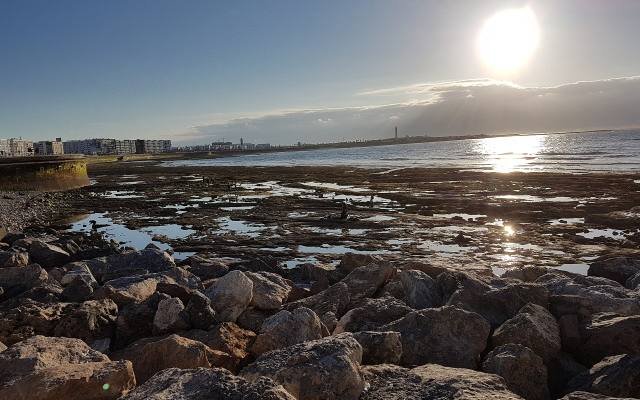 Seafront
Beaches, surf and sunsets
Casablanca’s seaside strip, with a long promenade, beach clubs, surf schools, restaurants and the Morocco Mall, and the best place in the city to watch the sun go down.
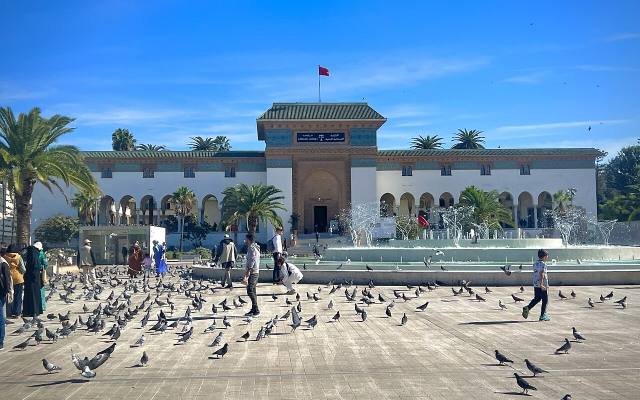 Square
The grand heart of the city
The ceremonial centre of Casablanca, with a big fountain and a set of grand 1920s and 1930s public buildings, including the courthouse and the clock tower of the Wilaya.