 Walking tour
Season: Year-round
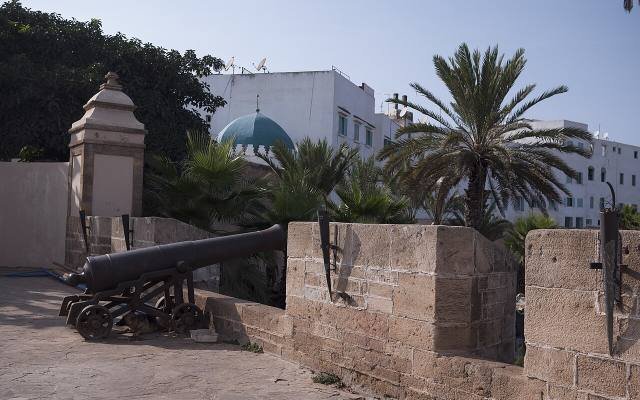
Old Medina and Habous walking tour
- The Sqala bastion, the lanes and the souks of the Old Medina
- The arcades, the olive market and the pastry shops of the Habous
Neighbourhood
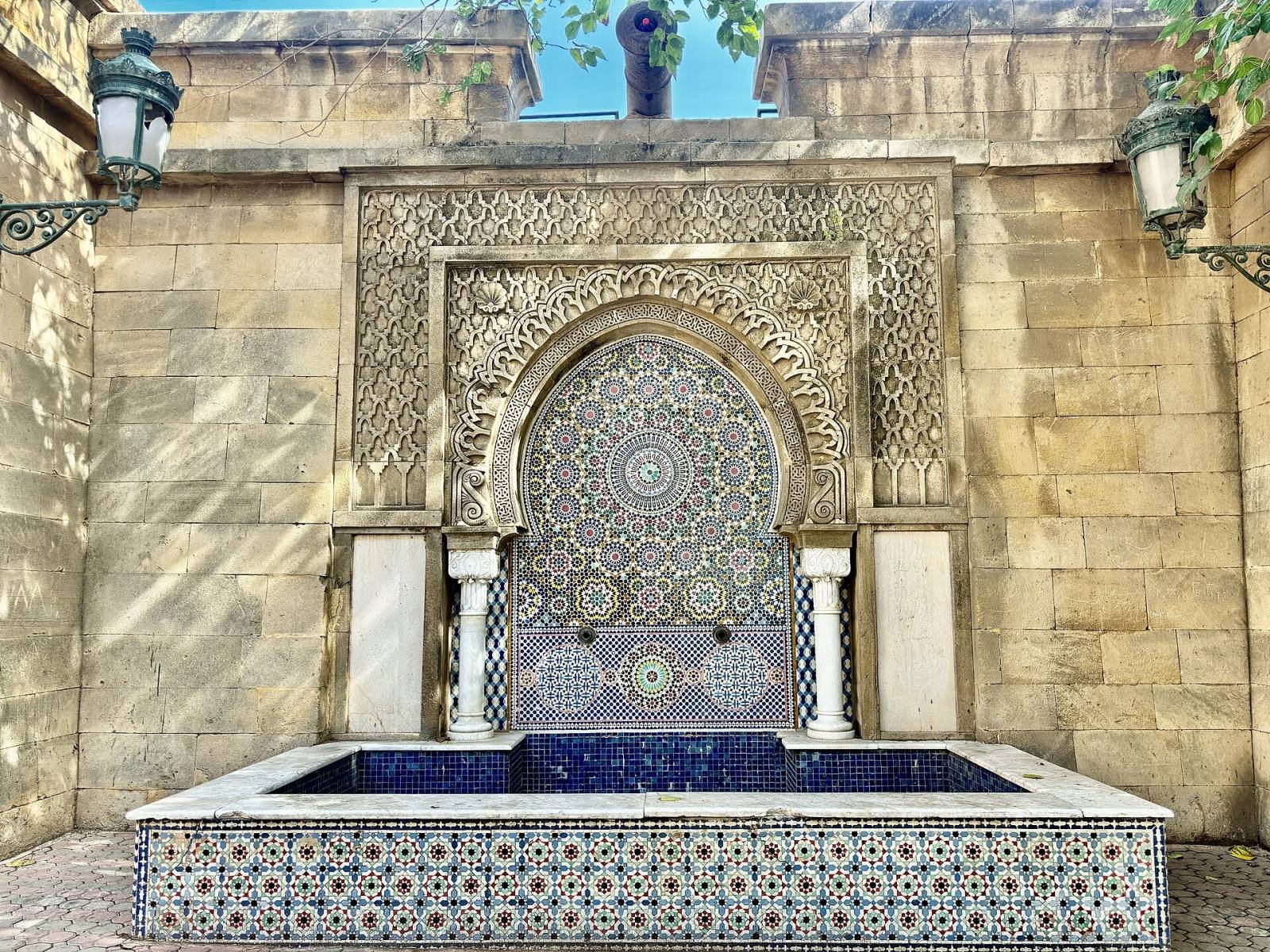
The Quartier Habous, or “new medina”, was built from the 1920s by French planners to look like a traditional Moroccan town, with modern streets, arcades and small squares. It is the most pleasant place in Casablanca to wander and shop, with craft stalls, an olive market and some of the city’s best pastries.
The Habous is a fascinating mix of old and new. Its architects borrowed the arches, tiled fountains and white walls of Moroccan towns, but laid out wider, cleaner streets to house a fast-growing city. The result is calm, compact and easy to explore, with hardly any of the hustle you find in older medinas.
Book ahead
Walking tour
Season: Year-round Food tour
Season: Year-round
 City tour
Season: Year-round
Nearby
 Square
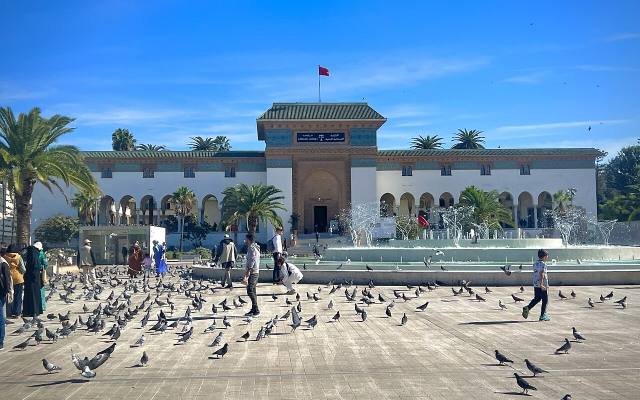
The grand heart of the city
The ceremonial centre of Casablanca, with a big fountain and a set of grand 1920s and 1930s public buildings, including the courthouse and the clock tower of the Wilaya.
 Architecture
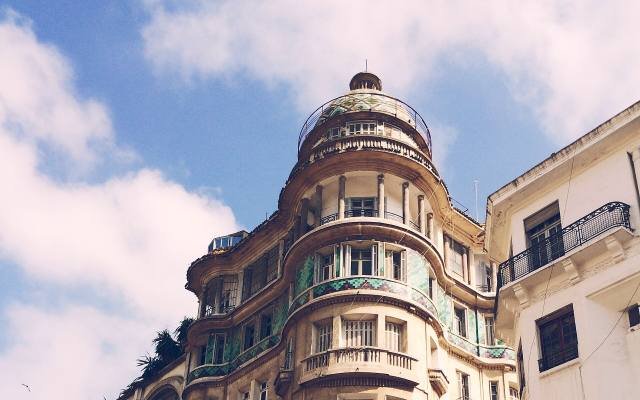
A museum of 1930s buildings
Boulevard Mohammed V and the streets around it are lined with Art Deco and neo-Moorish buildings from the 1920s and 1930s, including cinemas, arcades and the Central Market.
 Old town
Lanes behind the old walls
The small walled old town beside the port, with narrow lanes, everyday souks, the Sqala bastion and the Bab Marrakech gate, far less touristy than the medinas of Fez or Marrakech.